

The FIND project just reached a new milestone in the experimental validation of nuclear instrumentation with tests in representative conditions.
The campaign was conducted at VTT autoclave facilities where tests in high pressure and high temperature water are possible. The facility is typically used for corrosion and stress corrosion testing of reactor construction materials but allows parallel testing of various instrumentations or probes designed for reactor condition monitoring.
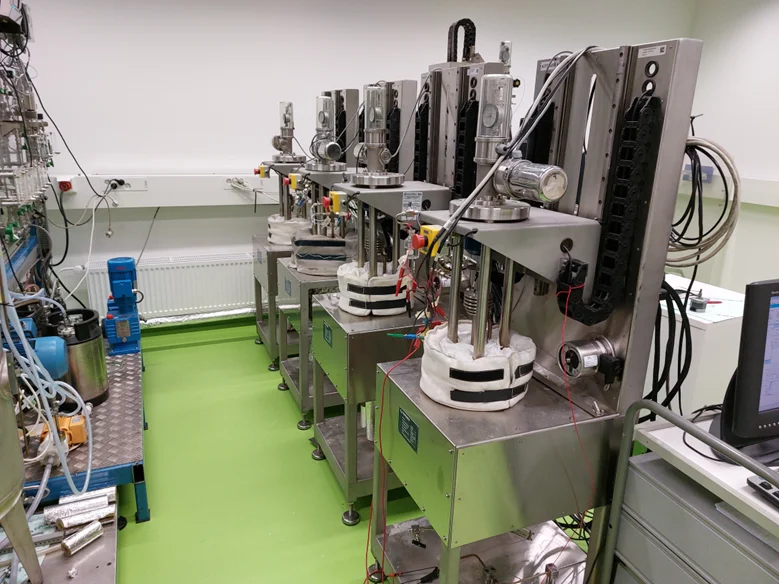
Selected electric, acoustic, and optical probes were used in order to detect acoustic events during mechanical loading of carbon and stainless steel samples in water at the temperature of 288 oC and pressure of 90 bar.
The campaign involved several FIND partners: FRAMATOME, CEA, and VTT. The campaign included one-week visits to VTT by FRAMATOME and CEA scientists.
The campaign began on Monday 5 October with the installation and testing of sensors inside and outside the reactor environment simulating autoclaves and continued with water chemistry conditioning on Tuesday. The stress corrosion test started on Wednesday morning and continued until Friday morning, after which the sensors were removed.
As a next step, partners will begin analyzing the collected data to assess sensor performance and identify any necessary improvements. The improvements will be done prior to the next, longer, campaign planned for 2027.
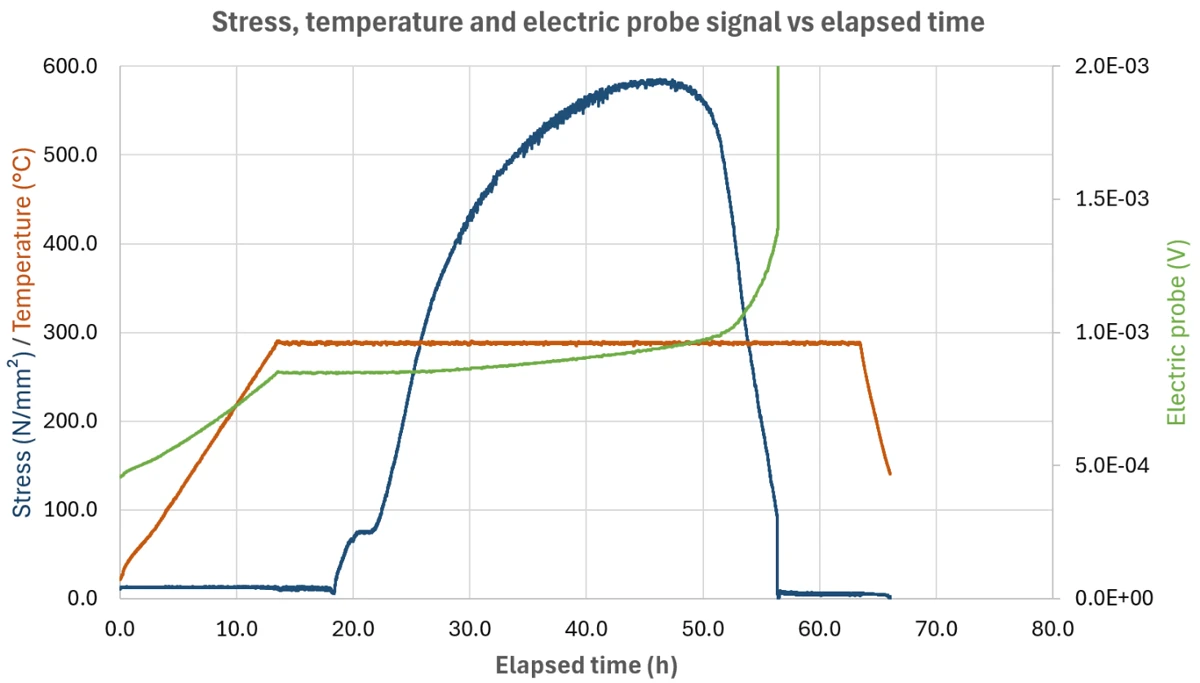
The short duration 2026 campaign was designed mainly to test the general compatibility and performance of the sensors together with the test facility. The 2027 campaign aims to create more realistic test conditions regarding stress corrosion crack initiation and propagation detection ability, which requires several week testing times.